
ADHD
Buy ADHD Medications Online and Explore Effective Treatment Options
When you are looking for a solution to manage ADHD (Attention-Deficit Hyperactivity Disorder) symptoms, medications are the only best options. We have a variety of medications that you can buy online to treat this condition. You can get a suitable medication prescription after a comprehensive diagnostic evaluation. Our goal is to guide you to the best treatment and medication options to get rid of this irritating condition.
What is ADHD?
Attention-Deficit Hyperactivity Disorder (ADHD) is a long-term neurodevelopmental disorder that is categorized by repetitive inattention, hyperactivity, and impulsivity leading to problems with functioning or development. It usually starts even in childhood though it may persist into adolescence and adulthood. ADHD is not merely a behavioral issue but it is a difference in brain anatomy and the activity of neurotransmitters especially in the executive functions (regulation of attention, working memory, organization and impulse control).
The disorder is usually divided into three presentations which include predominantly inattentive, predominantly hyperactive-impulsive and combined presentation. Children with AD are likely to have difficulties with maintenance of attention, instructions, sitting, or waiting. In adults, the symptoms usually display themselves in the form of chronic disorganization, inability to prioritize, restlessness, and time management and emotional regulation issues.
ADHD is a neurodevelopmental disorder that is prevalent in the world. Existing studies indicate that it is estimated that between 5-7% of children are affected. Symptoms do not disappear with age as once believed with research showing that they often remain until adulthood. The rate among adults is approximated at about 2-3%. Early diagnosis, behavioral interventions, and in the case of pharmacologic treatment, early diagnosis and intervention can greatly enhance academic, occupational, and social outcomes throughout the lifespan.
Symptoms of ADHD
Inattention
Inattention is described as the inability to maintain attention and to continue mental attention especially in activities that need organization or long time attention. People might easily feel distracted and constantly shift their focus to those activities that are not necessarily related to one action. The most typical examples are making irresponsible errors, neglecting details, inabilities to follow instructions, and being unable to accomplish tasks. Daily activity forgetfulness: This may include forgetting personal belongings, forgetting appointments, forgetting that something was done, etc. Cases of inattention in an academic or workplace environment can be manifested through lack of time management, inability to prioritize tasks and avoidance of activities that demand long-term focus of the mind.
Hyperactivity
Hyperactivity is too much movement or being agitated which is not appropriate to the age or the level of development. Among children, this can be fidgeting, squirming in seats (or other places), over-running or climbing, and inabilities to do quiet things. They are likely to appear always be on the move. This overt hyperactivity tends to reduce in adolescents and adults, although internal restlessness, inability to relax and a constant stimulation requirement may remain. People can not be comfortable sitting all the time or they can be very talkative.
Impulsivity
Impulsivity is an immediate action that is made without enough contemplation and thoughtfulness on the consequences. This can take the form of interrupting, being abrupt in giving answers before one finishes talking, a lack of patience in waiting, or engaging in unplanned decision making. Impulsivity may lead to financial problems, unstable relationships or risk taking behaviors in adults.
Impact of ADHD on daily life
Impact on School Performance
ADHD may be a major contributor to academic achievement. Lack of concentration in classrooms, inability to finish tasks in time and systems of schoolwork are some of the problems that students face. Challenges associated with executive functioning can cause inconsistent performance, irresponsible mistakes, and the loss of duties. Disciplinary concerns may also be the result of behavioral symptoms like impulsive behavior or excessive talking. The long term impact of repetitive academic difficulties is that they may lead to the development of low self esteem and a lack of motivation to participate in a learning process.
Impact on Work Functioning
An ADHD individual would be characterized by a lack of organization, time management issues in the workplace, and the inability to prioritize things. People can forget to meet deadlines, forget crucial aspects or lose focus in conferences. Impulsivity is a contributor to premature judgment or communication problems with colleagues. These issues can impair the development of the professional and augment the workplace stress in cases where there is no proper support.
Impact on Relationships
Personal and professional relationships may affect ADHD. Lack of concentration, distractibility during interpersonal communications and impulsive responses could be mistaken as lack of concern. Problems with emotional regulation can be a source of conflict or frustration. These patterns may decrease the general quality of life and emotional state without knowledge and the use of proper coping mechanisms.
Causes and Risk Factors
Genetic Factors
Attention Deficit Hyperactivity Disorder is highly genetic. Family and twin studies have shown a very high rate of heritability with estimates between 70 and 80 percent. Children with a parent or sibling with ADHD are more vulnerable to the disorder than the rest. Instead of being a one-gene disease, ADHD is a polygenic disease, implying that multiple genes have a minimal contribution. A lot of such genes regulate the level of neurotransmitters, in particular dopamine and norepinephrine, which are crucial in the areas of attention, motivation, and impulse control. Having genetic vulnerability does not necessarily lead to ADHD, but it makes one more susceptible to this condition in the presence of environmental factors.
Environmental Factors
Exposure to the environment can either lead to or increase the severity of the symptoms of ADHD especially in genetically prone people. Attention and behavioral challenges have been linked with a greater risk of prenatal exposure to tobacco smoke, alcohol, or illegal substances. Pregnancy complications, low birth weight, and premature birth may also make people vulnerable. Environmental toxins like lead in early childhood have been associated with impaired cognitive and behavioural deficiencies which are synonymous with the symptoms of ADHD. Moreover, chronic family stress, inconsistent parenting, and other negative childhood events can contribute to an increase in the manifestation of symptoms, but are not regarded as the leading causes. These are normally affecting biological predispositions as opposed to being independent.
Brain Structure and Function
The neuroimaging studies have found out that there were structural and functional differences between the brains of individuals with ADHD. Research indicates that there is a difference in the size and activity of the regions that are involved in executive functioning such as the prefrontal cortex, basal ganglia, and cerebellum. These spheres are essential in attention regulation, impulse control, planning and emotional regulation. In some ADHD children, delayed cortex development has also been observed especially in cortexes involved in higher-order cognitive functions.
On the neurochemical level, there is a close implication of altered transmission of dopamine and norepinephrine. Such neurotransmitters play a crucial role in sustaining attention, the reward system, and impulse control. These signaling systems are associated with reduced efficiency that can play a role in contributory distractibility, struggle to maintain effort, and impulsivity. These neurotransmitter pathways are typically the subject of pharmacologic interventions, which further lend them credibility in the disorder. Genetic vulnerability, environmental exposures, and neurobiological differences all interact to play a role in the development and clinical manifestations of ADHD.
Types of ADHD
Predominantly Inattentive Type
Attention Deficit Hyperactivity Disorder is mainly described as a predominantly inattentive presentation that is mostly manifested by chronic attentional problems, disorganization and incompleteness of tasks. People having this kind can be seen to be distracted, forgetful or simply mentally disengaged especially when it comes to activities that need great concentration. The typical symptoms are the failure to pay attention to details, do haphazard errors, not following up on orders, and often losing the things needed during routine activities. Time management is usually affected, and people might not be able to organize their duties in the right order.
Children with such a presentation are also reported to be quiet or daydreaming, instead of disruptive, and hence it may take some time to identify them. The problem of poor performance in academics is typical because of unfinished tasks and the inability to remain focused during the instruction. Symptoms can be manifested in the form of chronic disorganization, procrastination, inadvertent deadlines, and problems in coping with various responsibilities in adults. Suicide and frustration that are caused by emotional impact might arise with time, as long as symptoms are not noticed and treated.
Predominantly Hyperactive Impulsive Type
The hyperactive impulsive presentation is mainly prominent as it is characterized by hyperactivity and inability to control impulses. This can be seen in children by persistent fidgeting, squirming, running or climbing during the wrong moments and not being able to sit. They can talk too much and can break into conversations or other activities. Impulsivity can result in spilling over responses, inability to wait to speak, and unthinking behavior.
In both adolescence and adulthood, the open manifestation of hyperactivity level can be reduced, yet the perception of inner agitation can remain. People can also lack patience, risk taking and hasty decisions without having proper planning. These actions may disrupt educational achievements, job performance, and interpersonal interactions.
Combined Type
The concomitant presentation also incorporates major symptoms of inattention and hyperactivity. impulsive behavior. This is the most prevalent type of ADHD. People are faced with difficulties in maintaining concentration and organization, restlessness and impulsivity. This overlap of symptoms may cause more pronounced functional impairment in different environments such as the school and work environment as well as in the home.
Since the two clusters of symptoms exist, patients with the combined type can experience wider academic, work, and social challenges. It is necessary to conduct a thorough evaluation and develop a treatment plan that would consider all symptoms and enhance functionality.
How To Diagnose ADHD
Diagnostic Criteria
The symptoms based on the DSM guidelines include a consistent pattern of inattention and or impulsiveness or hyperactivity that disrupts functioning or development. The symptoms should occur in two or more locales like home, school or work and should occur at the age of twelve. The symptoms should last at least six months and should not be in agreement with the level of development of the person.
In children below the age of sixteen years, there must be six or more symptoms of either one category; inattention or hyperactive impulsiveness. In adolescents aged seventeen and above and adults, at least five symptoms are required. Notably, clinicians are also required to exclude other medical, psychological, or environmental disorders that may have better explanations regarding the presentation.
Assessment Tools
It has a diagnosis through a thorough clinical assessment and not a single test. Standardized behavior rating scales filled by the parents, the teachers, or the partners are usually used. They can be the Vanderbilt Assessment Scales and the Conners Rating Scales. These questionnaires determine the rates of symptoms and their severity and functional effects. Assessment must also include clinical interviews, developmental history, academic records, and behavioral observations.
Role of Healthcare Professionals
When children are dealing with ADHD, they must have contact with a doctor. In some cases, psychologists evaluate the health condition and prescribe suitable medication. Psychologists also make their contributions in the form of detailed cognitive and behavioral tests such as learning disorder or emotional tests. Diagnosis cannot be done accurately without involving healthcare providers, families, and educators because the symptoms have to be fully assessed in various settings.
Treatment Options for ADHD
Medications
Pharmacologic intervention is viewed as one of the most effective forms of intervention in the treatment of Attention Deficit Hyperactivity Disorder. The initial therapy is usually with stimulant drugs. These are Ritalin, Adderall and Concerta. The effect of stimulants is mainly on the increase of the activity of dopamine and norepinephrine in the brain which expands attention, impulse control, and executive functioning. They possess a solid safety profile with proper prescriptions and follow-ups.
The non-stimulant drugs can be used as an alternative to those who fail to tolerate stimulants or those with contraindications to them. These include Strattera and Intuniv. These drugs work by various actions, including selective norepinephrine reuptake inhibition or adrenergic receptor stimulation. They can be useful in symptom improvement though their action may take longer to work compared to stimulants.
Behavioral Therapy
Behavioral therapy is a significant part of treatment especially among children and adolescents. Organizational skills, time management, emotional regulation and impulse control are structured interventions. Training parents and cognitive behavioral therapy may be used to solidify routines and adaptive coping mechanisms. Procrastination, completion of tasks, and interpersonal difficulties are commonly treated in adults.
Lifestyle Changes
Symptoms are managed using healthy lifestyle habits. Sleep is sufficient to enhance concentration and mood stability. A balanced diet helps in brain well-being, improves concentration and makes a person less restless. Daily routines are also structured and this leads to better functioning.
Complementary Treatments
Other people are seeking complementary methods like neurofeedback or mindfulness based practices. Although the evidence is not consistent, the strategies can be used to supplement usual medical and behavioral treatment to help in self regulation and stress management.
Medication Management and Side Effects
Drugs used to treat Attention Deficit Hyperactivity Disorder are generally safe and effective when used as prescribed, yet they can have side effects. The effects of stimulant drugs, like Ritalin and Adderall, include loss of appetite, weight reduction, insomnia, headache, slight rise in heartbeats or blood pressure. Others might also be irritated, experience a change in mood, or develop anxiety especially when the drug is not acting.
Non-stimulant drugs such as Strattera are associated with nausea, fatigue, dizziness or gastrointestinal discomfort. Emotional shifts or sleeping problems may also appear in some instances. The majority of side effects are mild in nature and they would fade away as the body adapts to treatment.
Managing Side Effects
Close supervision and free communication with a medical specialist are critical to reduce the negative consequences. Unwanted symptoms could be minimized through adjustment of the dose, alteration of the time of administration, or use of a different formulation. As an illustration, one can take medication earlier in the day to prevent insomnia. Regular meals and high-nutrient snacks should be encouraged to overcome the problem of appetite suppression. In case of mood swings or a major side effect, a fresh consideration should be taken to evaluate the suitability of another drug.
Long-Term Medication Use
Medication for ADHD needs continuous clinical monitoring in the long term. Medical workers observe the progress of children, cardiovascular symptoms, symptom management, and functioning. Follow-up visits should be periodic to determine efficacy and tolerability. There are also instances where monitored drug intervals can be embraced to measure continuing necessity. Long term pharmacologic treatment done carefully can result in long term enhancement of academic, occupational, and social outcomes.
How to Buy ADHD Medication Online
Prescription Requirements
Drugs to be taken to manage Attention Deficit Hyperactivity Disorder need a proper prescription by a certified medical practitioner. Adderall and Ritalin are also stimulant drugs that are categorized as controlled substances in most of the countries due to misuse and dependence. Consequently, there are stringent prescriptive rules. Before administering treatment, a thorough medical examination is required, and the symptoms, the medical history, and possible contraindications should be assessed. An authorized clinician is required to issue a prescription and in most jurisdictions controlled medications will require an electronic prescribing system. It is unlawful to buy these medicines without a prescription and it can be very dangerous to the health of the person.
Online Pharmacy Regulations
There are legitimate online pharmacies that are already governed by national and regional regulations. The accreditation of pharmacies in the United States is done by the National Association of Boards of Pharmacy and they are free to display the VIPPS seal. Credible websites have a valid prescription, offer the use of the services of a licensed pharmacist to consult, and include a physical business address and contact details. The websites that sell prescription drugs without any medical proof are not to be used because they might provide fake or dangerous products to consumers. Illegal online drug sales are also combated by regulatory agencies which ensure that the safety of the population is not at risk.
Benefits of Ordering ADHD Medication Online
ADHD medication can be conveniently ordered online, privately and more readily in cases where this is obtained in licensed and verified pharmacies. Home delivery, automatic refill notices, and competitive prices could be helpful to patients who have continuous prescriptions. The online services can also promote the privacy of those individuals who do not want to come to a pharmacy. Nevertheless, safety and legality should be the main factors.
Managing ADHD in Daily Life
Time Management and Organizational Skills
Time management and organization are other issues that people with Attention Deficit Hyperactivity Disorder have challenges with, and it may impact their lives in the school, workplace, and home. These challenges need systematic practices to deal with. Tasks, appointments, and deadlines can be kept track of with the help of planners, calendars, or online scheduling applications. Overwhelm can be minimized by breaking large tasks into small steps, which can be managed and hence lead to taskscompletion. Alarm, reminders or visual alerts could help to take action at the right time and stay focused during the day. Arranging physical space, including workstations, study space, and personal objects, is also an effective distraction minimizer, as well as an efficiency maximizer. Regular practice of these strategies can help build the strength of the executive functioning skills and make them more productive.
Social Support
Social support is important in the management of ADHD. Family members may offer organization, strengthen routine, and help with difficult tasks. ADHD friends can help provide a positive social outcome and alleviate feelings of alienation or exasperation. In-person and online support groups provide a chance to share experiences, learn practical coping skills and get emotional support from people experiencing the same challenges. Working with others assists the person to be accountable and cultivating confidence in handling the day-to-day tasks.
Educational Support
Adolescents and children with ADHD usually enjoy special educational facilities. Schools can offer individualized education plans (IEPs) or 504 plans, and can support students with special needs with such things as long time on exams, special seating or breaks during classes. Educators may use such interventions as visual schedules, step-by-step instructions and organized classroom routines in order to facilitate learning. Focus and completion of tasks or skills and organization can be further enhanced using academic resources such as tutoring and skill-building programs. The cooperation between parents, educators, and healthcare providers offers an opportunity to customize the interventions to the individual needs of every child, which facilitates academic achievement and emotional well-being.
The selection of a combination of organization, social assistance, and educational accommodations helps people with ADHD to strengthen their everyday functioning, productivity, and overall quality of life.
Conclusion
The treatment of Attention Deficit Hyperactivity Disorder in everyday life is a complex and organized process that demands a complex strategy in its implementation. Strategies that should be implemented effectively involve better time management and organization with the help of planners, reminders and dividing the work into smaller steps. Family, friends, and support groups offer social support, encouragement, guidance, and accountability. Academic success of children can be achieved through educational accommodations, e.g., individual learning plans and classroom strategies.
Pharmacologic interventions, such as stimulant and non-stimulant medications may enhance attention, impulse control and functioning provided that they are carefully followed by health workers. Behavioral therapy empowers people with the ability of emotional control their emotions, accomplish tasks and interact.
Other lifestyle changes such as getting into a consistent sleep schedule, eating a balanced diet, exercising, and mindfulness also boost concentration and health. Using a combination of these strategies enables people with ADHD to minimize symptoms, stay productive, enhance relationships, and pursue personal and professional objectives and improve the quality of life in general.
ADHD
Buy ADHD Medications Online and Explore Effective Treatment Options When you are looking for a solution to manage ADHD (Attention-Deficit Hyperactivity Disorder) symptoms, medications are

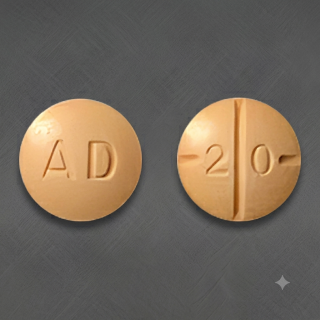
Buy ADHD Medications Online and Explore Effective Treatment Options
When you are looking for a solution to manage ADHD (Attention-Deficit Hyperactivity Disorder) symptoms, medications are the only best options. We have a variety of medications that you can buy online to treat this condition. You can get a suitable medication prescription after a comprehensive diagnostic evaluation. Our goal is to guide you to the best treatment and medication options to get rid of this irritating condition.
What is ADHD?
Attention-Deficit Hyperactivity Disorder (ADHD) is a long-term neurodevelopmental disorder that is categorized by repetitive inattention, hyperactivity, and impulsivity leading to problems with functioning or development. It usually starts even in childhood though it may persist into adolescence and adulthood. ADHD is not merely a behavioral issue but it is a difference in brain anatomy and the activity of neurotransmitters especially in the executive functions (regulation of attention, working memory, organization and impulse control).
The disorder is usually divided into three presentations which include predominantly inattentive, predominantly hyperactive-impulsive and combined presentation. Children with AD are likely to have difficulties with maintenance of attention, instructions, sitting, or waiting. In adults, the symptoms usually display themselves in the form of chronic disorganization, inability to prioritize, restlessness, and time management and emotional regulation issues.
ADHD is a neurodevelopmental disorder that is prevalent in the world. Existing studies indicate that it is estimated that between 5-7% of children are affected. Symptoms do not disappear with age as once believed with research showing that they often remain until adulthood. The rate among adults is approximated at about 2-3%. Early diagnosis, behavioral interventions, and in the case of pharmacologic treatment, early diagnosis and intervention can greatly enhance academic, occupational, and social outcomes throughout the lifespan.
Symptoms of ADHD
Inattention
Inattention is described as the inability to maintain attention and to continue mental attention especially in activities that need organization or long time attention. People might easily feel distracted and constantly shift their focus to those activities that are not necessarily related to one action. The most typical examples are making irresponsible errors, neglecting details, inabilities to follow instructions, and being unable to accomplish tasks. Daily activity forgetfulness: This may include forgetting personal belongings, forgetting appointments, forgetting that something was done, etc. Cases of inattention in an academic or workplace environment can be manifested through lack of time management, inability to prioritize tasks and avoidance of activities that demand long-term focus of the mind.
Hyperactivity
Hyperactivity is too much movement or being agitated which is not appropriate to the age or the level of development. Among children, this can be fidgeting, squirming in seats (or other places), over-running or climbing, and inabilities to do quiet things. They are likely to appear always be on the move. This overt hyperactivity tends to reduce in adolescents and adults, although internal restlessness, inability to relax and a constant stimulation requirement may remain. People can not be comfortable sitting all the time or they can be very talkative.
Impulsivity
Impulsivity is an immediate action that is made without enough contemplation and thoughtfulness on the consequences. This can take the form of interrupting, being abrupt in giving answers before one finishes talking, a lack of patience in waiting, or engaging in unplanned decision making. Impulsivity may lead to financial problems, unstable relationships or risk taking behaviors in adults.
Impact of ADHD on daily life
Impact on School Performance
ADHD may be a major contributor to academic achievement. Lack of concentration in classrooms, inability to finish tasks in time and systems of schoolwork are some of the problems that students face. Challenges associated with executive functioning can cause inconsistent performance, irresponsible mistakes, and the loss of duties. Disciplinary concerns may also be the result of behavioral symptoms like impulsive behavior or excessive talking. The long term impact of repetitive academic difficulties is that they may lead to the development of low self esteem and a lack of motivation to participate in a learning process.
Impact on Work Functioning
An ADHD individual would be characterized by a lack of organization, time management issues in the workplace, and the inability to prioritize things. People can forget to meet deadlines, forget crucial aspects or lose focus in conferences. Impulsivity is a contributor to premature judgment or communication problems with colleagues. These issues can impair the development of the professional and augment the workplace stress in cases where there is no proper support.
Impact on Relationships
Personal and professional relationships may affect ADHD. Lack of concentration, distractibility during interpersonal communications and impulsive responses could be mistaken as lack of concern. Problems with emotional regulation can be a source of conflict or frustration. These patterns may decrease the general quality of life and emotional state without knowledge and the use of proper coping mechanisms.
Causes and Risk Factors
Genetic Factors
Attention Deficit Hyperactivity Disorder is highly genetic. Family and twin studies have shown a very high rate of heritability with estimates between 70 and 80 percent. Children with a parent or sibling with ADHD are more vulnerable to the disorder than the rest. Instead of being a one-gene disease, ADHD is a polygenic disease, implying that multiple genes have a minimal contribution. A lot of such genes regulate the level of neurotransmitters, in particular dopamine and norepinephrine, which are crucial in the areas of attention, motivation, and impulse control. Having genetic vulnerability does not necessarily lead to ADHD, but it makes one more susceptible to this condition in the presence of environmental factors.
Environmental Factors
Exposure to the environment can either lead to or increase the severity of the symptoms of ADHD especially in genetically prone people. Attention and behavioral challenges have been linked with a greater risk of prenatal exposure to tobacco smoke, alcohol, or illegal substances. Pregnancy complications, low birth weight, and premature birth may also make people vulnerable. Environmental toxins like lead in early childhood have been associated with impaired cognitive and behavioural deficiencies which are synonymous with the symptoms of ADHD. Moreover, chronic family stress, inconsistent parenting, and other negative childhood events can contribute to an increase in the manifestation of symptoms, but are not regarded as the leading causes. These are normally affecting biological predispositions as opposed to being independent.
Brain Structure and Function
The neuroimaging studies have found out that there were structural and functional differences between the brains of individuals with ADHD. Research indicates that there is a difference in the size and activity of the regions that are involved in executive functioning such as the prefrontal cortex, basal ganglia, and cerebellum. These spheres are essential in attention regulation, impulse control, planning and emotional regulation. In some ADHD children, delayed cortex development has also been observed especially in cortexes involved in higher-order cognitive functions.
On the neurochemical level, there is a close implication of altered transmission of dopamine and norepinephrine. Such neurotransmitters play a crucial role in sustaining attention, the reward system, and impulse control. These signaling systems are associated with reduced efficiency that can play a role in contributory distractibility, struggle to maintain effort, and impulsivity. These neurotransmitter pathways are typically the subject of pharmacologic interventions, which further lend them credibility in the disorder. Genetic vulnerability, environmental exposures, and neurobiological differences all interact to play a role in the development and clinical manifestations of ADHD.
Types of ADHD
Predominantly Inattentive Type
Attention Deficit Hyperactivity Disorder is mainly described as a predominantly inattentive presentation that is mostly manifested by chronic attentional problems, disorganization and incompleteness of tasks. People having this kind can be seen to be distracted, forgetful or simply mentally disengaged especially when it comes to activities that need great concentration. The typical symptoms are the failure to pay attention to details, do haphazard errors, not following up on orders, and often losing the things needed during routine activities. Time management is usually affected, and people might not be able to organize their duties in the right order.
Children with such a presentation are also reported to be quiet or daydreaming, instead of disruptive, and hence it may take some time to identify them. The problem of poor performance in academics is typical because of unfinished tasks and the inability to remain focused during the instruction. Symptoms can be manifested in the form of chronic disorganization, procrastination, inadvertent deadlines, and problems in coping with various responsibilities in adults. Suicide and frustration that are caused by emotional impact might arise with time, as long as symptoms are not noticed and treated.
Predominantly Hyperactive Impulsive Type
The hyperactive impulsive presentation is mainly prominent as it is characterized by hyperactivity and inability to control impulses. This can be seen in children by persistent fidgeting, squirming, running or climbing during the wrong moments and not being able to sit. They can talk too much and can break into conversations or other activities. Impulsivity can result in spilling over responses, inability to wait to speak, and unthinking behavior.
In both adolescence and adulthood, the open manifestation of hyperactivity level can be reduced, yet the perception of inner agitation can remain. People can also lack patience, risk taking and hasty decisions without having proper planning. These actions may disrupt educational achievements, job performance, and interpersonal interactions.
Combined Type
The concomitant presentation also incorporates major symptoms of inattention and hyperactivity. impulsive behavior. This is the most prevalent type of ADHD. People are faced with difficulties in maintaining concentration and organization, restlessness and impulsivity. This overlap of symptoms may cause more pronounced functional impairment in different environments such as the school and work environment as well as in the home.
Since the two clusters of symptoms exist, patients with the combined type can experience wider academic, work, and social challenges. It is necessary to conduct a thorough evaluation and develop a treatment plan that would consider all symptoms and enhance functionality.
How To Diagnose ADHD
Diagnostic Criteria
The symptoms based on the DSM guidelines include a consistent pattern of inattention and or impulsiveness or hyperactivity that disrupts functioning or development. The symptoms should occur in two or more locales like home, school or work and should occur at the age of twelve. The symptoms should last at least six months and should not be in agreement with the level of development of the person.
In children below the age of sixteen years, there must be six or more symptoms of either one category; inattention or hyperactive impulsiveness. In adolescents aged seventeen and above and adults, at least five symptoms are required. Notably, clinicians are also required to exclude other medical, psychological, or environmental disorders that may have better explanations regarding the presentation.
Assessment Tools
It has a diagnosis through a thorough clinical assessment and not a single test. Standardized behavior rating scales filled by the parents, the teachers, or the partners are usually used. They can be the Vanderbilt Assessment Scales and the Conners Rating Scales. These questionnaires determine the rates of symptoms and their severity and functional effects. Assessment must also include clinical interviews, developmental history, academic records, and behavioral observations.
Role of Healthcare Professionals
When children are dealing with ADHD, they must have contact with a doctor. In some cases, psychologists evaluate the health condition and prescribe suitable medication. Psychologists also make their contributions in the form of detailed cognitive and behavioral tests such as learning disorder or emotional tests. Diagnosis cannot be done accurately without involving healthcare providers, families, and educators because the symptoms have to be fully assessed in various settings.
Treatment Options for ADHD
Medications
Pharmacologic intervention is viewed as one of the most effective forms of intervention in the treatment of Attention Deficit Hyperactivity Disorder. The initial therapy is usually with stimulant drugs. These are Ritalin, Adderall and Concerta. The effect of stimulants is mainly on the increase of the activity of dopamine and norepinephrine in the brain which expands attention, impulse control, and executive functioning. They possess a solid safety profile with proper prescriptions and follow-ups.
The non-stimulant drugs can be used as an alternative to those who fail to tolerate stimulants or those with contraindications to them. These include Strattera and Intuniv. These drugs work by various actions, including selective norepinephrine reuptake inhibition or adrenergic receptor stimulation. They can be useful in symptom improvement though their action may take longer to work compared to stimulants.
Behavioral Therapy
Behavioral therapy is a significant part of treatment especially among children and adolescents. Organizational skills, time management, emotional regulation and impulse control are structured interventions. Training parents and cognitive behavioral therapy may be used to solidify routines and adaptive coping mechanisms. Procrastination, completion of tasks, and interpersonal difficulties are commonly treated in adults.
Lifestyle Changes
Symptoms are managed using healthy lifestyle habits. Sleep is sufficient to enhance concentration and mood stability. A balanced diet helps in brain well-being, improves concentration and makes a person less restless. Daily routines are also structured and this leads to better functioning.
Complementary Treatments
Other people are seeking complementary methods like neurofeedback or mindfulness based practices. Although the evidence is not consistent, the strategies can be used to supplement usual medical and behavioral treatment to help in self regulation and stress management.
Medication Management and Side Effects
Drugs used to treat Attention Deficit Hyperactivity Disorder are generally safe and effective when used as prescribed, yet they can have side effects. The effects of stimulant drugs, like Ritalin and Adderall, include loss of appetite, weight reduction, insomnia, headache, slight rise in heartbeats or blood pressure. Others might also be irritated, experience a change in mood, or develop anxiety especially when the drug is not acting.
Non-stimulant drugs such as Strattera are associated with nausea, fatigue, dizziness or gastrointestinal discomfort. Emotional shifts or sleeping problems may also appear in some instances. The majority of side effects are mild in nature and they would fade away as the body adapts to treatment.
Managing Side Effects
Close supervision and free communication with a medical specialist are critical to reduce the negative consequences. Unwanted symptoms could be minimized through adjustment of the dose, alteration of the time of administration, or use of a different formulation. As an illustration, one can take medication earlier in the day to prevent insomnia. Regular meals and high-nutrient snacks should be encouraged to overcome the problem of appetite suppression. In case of mood swings or a major side effect, a fresh consideration should be taken to evaluate the suitability of another drug.
Long-Term Medication Use
Medication for ADHD needs continuous clinical monitoring in the long term. Medical workers observe the progress of children, cardiovascular symptoms, symptom management, and functioning. Follow-up visits should be periodic to determine efficacy and tolerability. There are also instances where monitored drug intervals can be embraced to measure continuing necessity. Long term pharmacologic treatment done carefully can result in long term enhancement of academic, occupational, and social outcomes.
How to Buy ADHD Medication Online
Prescription Requirements
Drugs to be taken to manage Attention Deficit Hyperactivity Disorder need a proper prescription by a certified medical practitioner. Adderall and Ritalin are also stimulant drugs that are categorized as controlled substances in most of the countries due to misuse and dependence. Consequently, there are stringent prescriptive rules. Before administering treatment, a thorough medical examination is required, and the symptoms, the medical history, and possible contraindications should be assessed. An authorized clinician is required to issue a prescription and in most jurisdictions controlled medications will require an electronic prescribing system. It is unlawful to buy these medicines without a prescription and it can be very dangerous to the health of the person.
Online Pharmacy Regulations
There are legitimate online pharmacies that are already governed by national and regional regulations. The accreditation of pharmacies in the United States is done by the National Association of Boards of Pharmacy and they are free to display the VIPPS seal. Credible websites have a valid prescription, offer the use of the services of a licensed pharmacist to consult, and include a physical business address and contact details. The websites that sell prescription drugs without any medical proof are not to be used because they might provide fake or dangerous products to consumers. Illegal online drug sales are also combated by regulatory agencies which ensure that the safety of the population is not at risk.
Benefits of Ordering ADHD Medication Online
ADHD medication can be conveniently ordered online, privately and more readily in cases where this is obtained in licensed and verified pharmacies. Home delivery, automatic refill notices, and competitive prices could be helpful to patients who have continuous prescriptions. The online services can also promote the privacy of those individuals who do not want to come to a pharmacy. Nevertheless, safety and legality should be the main factors.
Managing ADHD in Daily Life
Time Management and Organizational Skills
Time management and organization are other issues that people with Attention Deficit Hyperactivity Disorder have challenges with, and it may impact their lives in the school, workplace, and home. These challenges need systematic practices to deal with. Tasks, appointments, and deadlines can be kept track of with the help of planners, calendars, or online scheduling applications. Overwhelm can be minimized by breaking large tasks into small steps, which can be managed and hence lead to taskscompletion. Alarm, reminders or visual alerts could help to take action at the right time and stay focused during the day. Arranging physical space, including workstations, study space, and personal objects, is also an effective distraction minimizer, as well as an efficiency maximizer. Regular practice of these strategies can help build the strength of the executive functioning skills and make them more productive.
Social Support
Social support is important in the management of ADHD. Family members may offer organization, strengthen routine, and help with difficult tasks. ADHD friends can help provide a positive social outcome and alleviate feelings of alienation or exasperation. In-person and online support groups provide a chance to share experiences, learn practical coping skills and get emotional support from people experiencing the same challenges. Working with others assists the person to be accountable and cultivating confidence in handling the day-to-day tasks.
Educational Support
Adolescents and children with ADHD usually enjoy special educational facilities. Schools can offer individualized education plans (IEPs) or 504 plans, and can support students with special needs with such things as long time on exams, special seating or breaks during classes. Educators may use such interventions as visual schedules, step-by-step instructions and organized classroom routines in order to facilitate learning. Focus and completion of tasks or skills and organization can be further enhanced using academic resources such as tutoring and skill-building programs. The cooperation between parents, educators, and healthcare providers offers an opportunity to customize the interventions to the individual needs of every child, which facilitates academic achievement and emotional well-being.
The selection of a combination of organization, social assistance, and educational accommodations helps people with ADHD to strengthen their everyday functioning, productivity, and overall quality of life.
Conclusion
The treatment of Attention Deficit Hyperactivity Disorder in everyday life is a complex and organized process that demands a complex strategy in its implementation. Strategies that should be implemented effectively involve better time management and organization with the help of planners, reminders and dividing the work into smaller steps. Family, friends, and support groups offer social support, encouragement, guidance, and accountability. Academic success of children can be achieved through educational accommodations, e.g., individual learning plans and classroom strategies.
Pharmacologic interventions, such as stimulant and non-stimulant medications may enhance attention, impulse control and functioning provided that they are carefully followed by health workers. Behavioral therapy empowers people with the ability of emotional control their emotions, accomplish tasks and interact.
Other lifestyle changes such as getting into a consistent sleep schedule, eating a balanced diet, exercising, and mindfulness also boost concentration and health. Using a combination of these strategies enables people with ADHD to minimize symptoms, stay productive, enhance relationships, and pursue personal and professional objectives and improve the quality of life in general.
Frequently Asked Questions
Common questions about ADHD